Environmental Compliance, Handled.
Environmental compliance in Texas is multi-layered, deadline-driven, and unforgiving when things slip through the cracks. Whether you're managing permits, waste, spill prevention, or reporting obligations, the regulatory requirements touch nearly every part of your operation. We help organizations stay ahead of those requirements practically, efficiently, and without unnecessary disruption to your business.
-
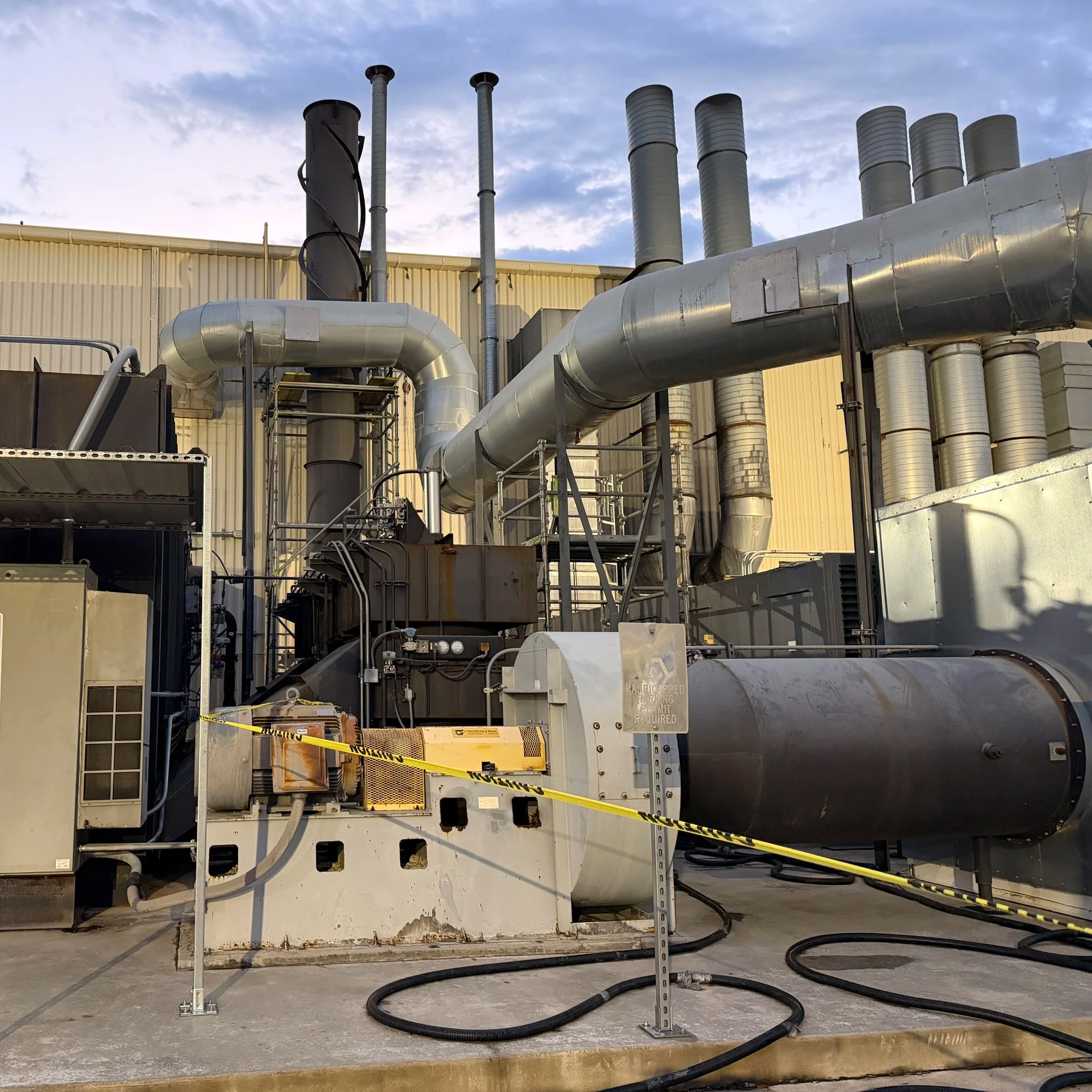
Air permitting is one of the most complex and consequential environmental obligations a Texas facility faces. The TCEQ is one of the most stringent regulatory agencies in the country, and the consequences of getting it wrong go beyond fines. Unpermitted operations can be forced to shut down, and construction cannot legally begin without prior authorization in hand.
The permitting pathway isn't one size fits all. Whether your facility qualifies for a de minimis exemption, a Permit by Rule, a Standard Permit, or requires full New Source Review, determining the right route requires deep regulatory knowledge and accurate emissions calculations. A misstep in that determination can mean starting over, facing enforcement action, or delaying a project by months.
Amendments, renewals, Title V obligations, GHG reporting, and emissions inventories add another layer of ongoing complexity that doesn't end once the permit is issued. Staying compliant requires attention long after the authorization arrives.
Air permitting is its own dedicated practice at Feather & Mane for exactly these reasons. [See our full Air Permitting page →]
-
ISO 14001:2015 is the international standard for environmental management. Its a framework that helps organizations identify their environmental impacts, set meaningful objectives, and build systems that ensure compliance doesn't depend on any one person remembering to do the right thing.
Getting certified is one thing. Building a system that actually works and holds up under audit is another. Many organizations struggle with the gap between having documentation and having a program that is genuinely embedded in daily operations. That's where we come in.
Our principal consultant holds a Lead Auditor certification for ISO 14001, which means we don't just help you build your Environmental Management System, we audit it with the same rigor a third-party certification body will. Our internal audit services evaluate your EMS against the full requirements of the standard, identify nonconformances before they become findings, and help your team understand not just what needs to change but why.
Whether you are pursuing certification for the first time, maintaining an existing certification, or simply want an independent set of experienced eyes on your program, we provide the expertise to get you there and keep you there.
-
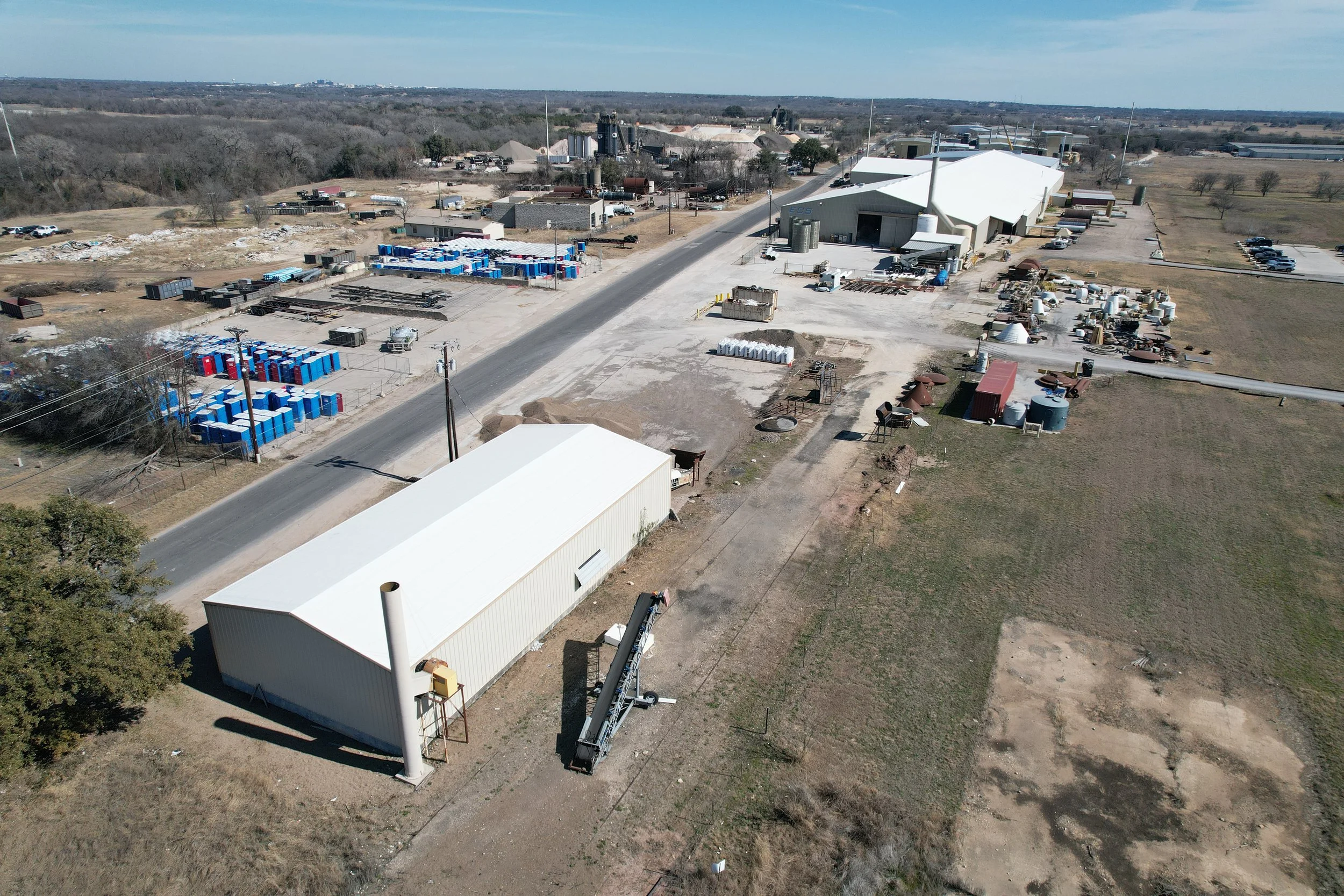
Stormwater (SWPPP/SWP3) Stormwater discharges from construction and industrial activities require authorization under TCEQ general permits. We develop and manage your Stormwater Pollution Prevention Plan to keep you covered.
Spill Prevention, Control & Countermeasure (SPCC) Facilities with the capacity to store 1,320 gallons or more of regulated oil are required to have an SPCC Plan. We develop, certify, and update plans to keep your facility in compliance.
Facility Response Plans (FRP) Facilities that could reasonably be expected to cause substantial harm to the environment by discharging oil into navigable waters are required to prepare Facility Response Plans.
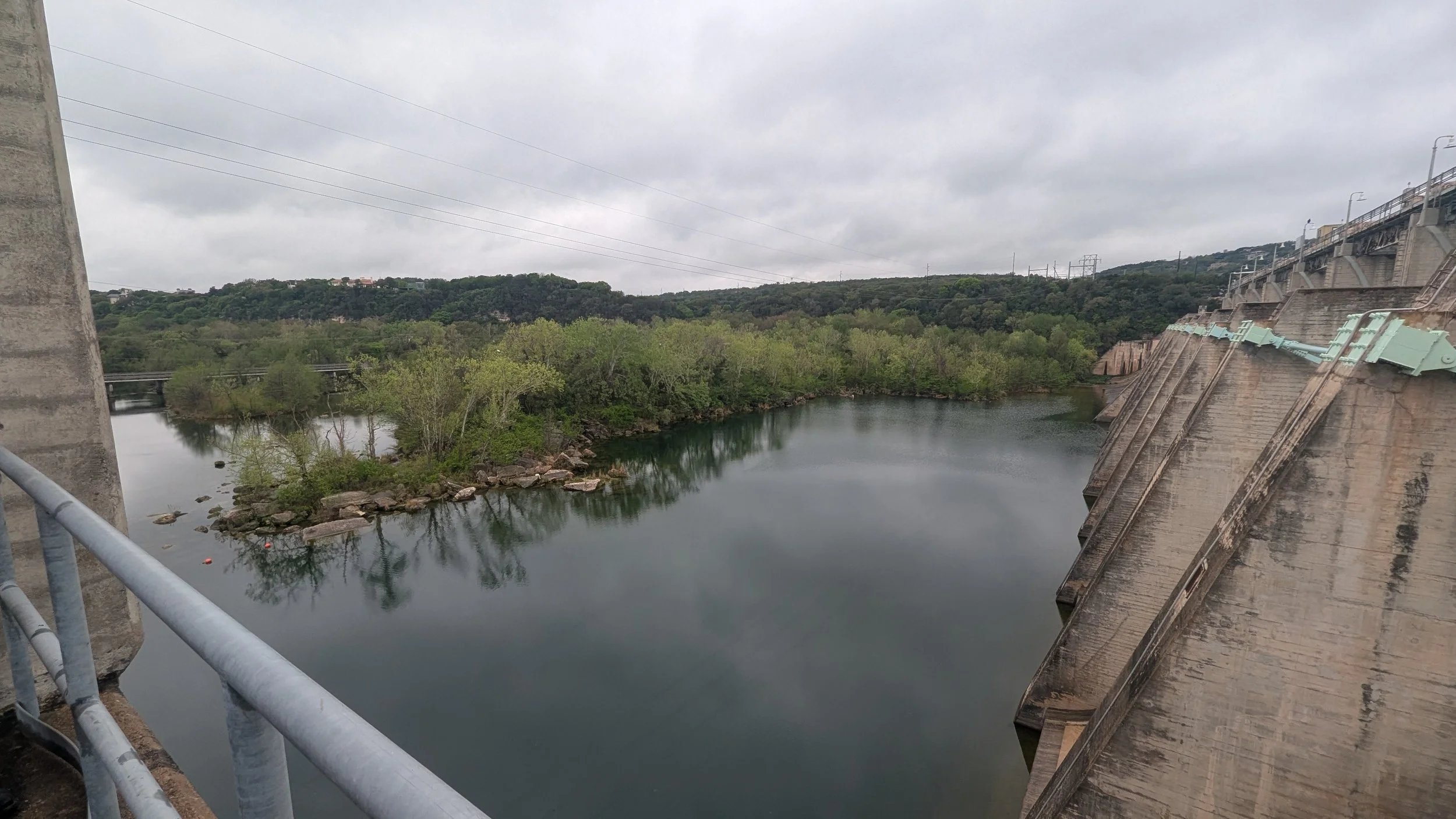
Wastewater Permits (TPDES) Every facility that discharges wastewater must be authorized by either an agency rule, commission order, or an issued permit. We guide you through the application process and ongoing compliance requirements.
Edwards Aquifer Permits Permitting and compliance for facilities operating in or near the Edwards Aquifer Protection Zone.
-
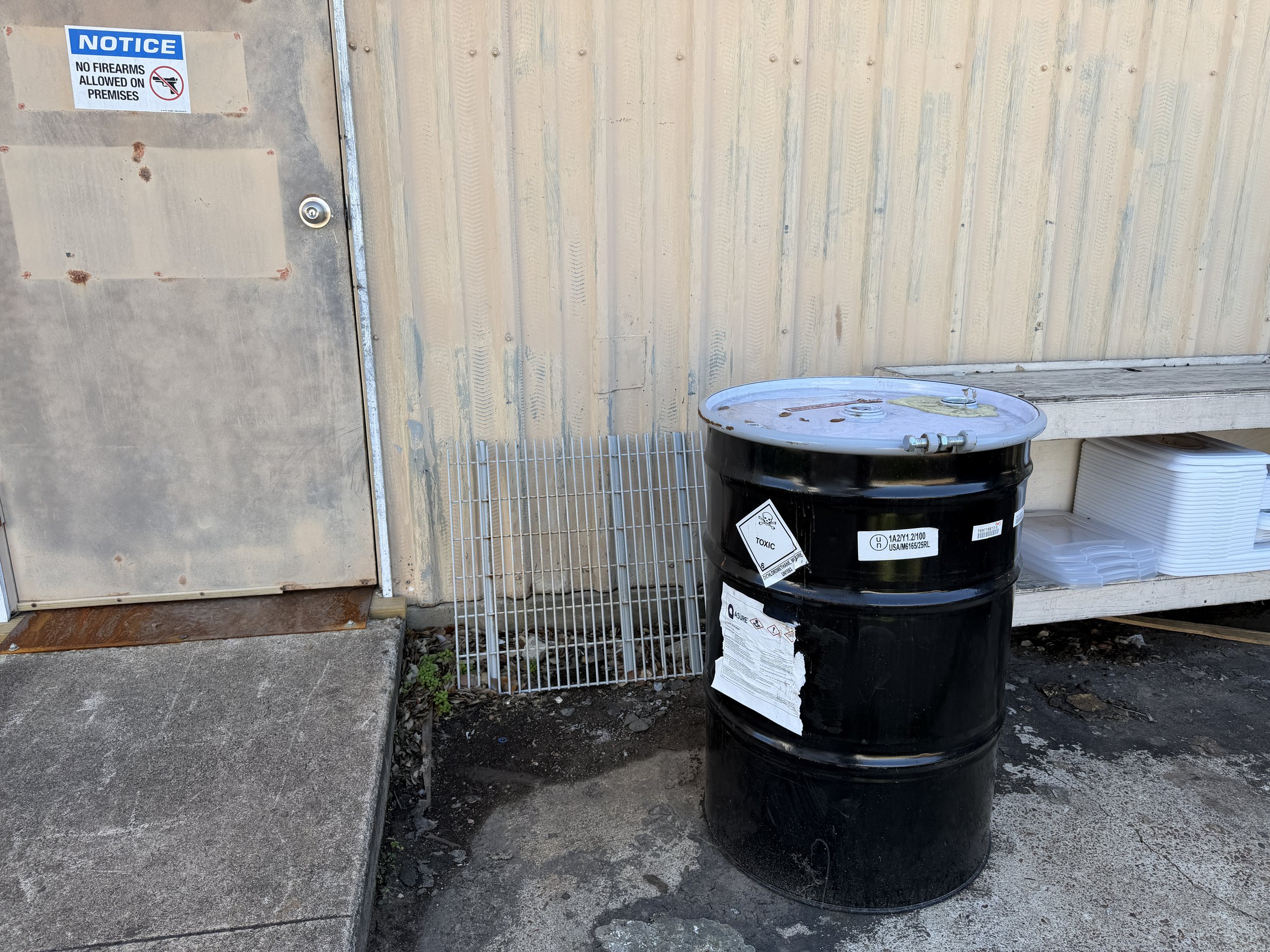
Industrial Hazardous Waste (RCRA/DOT/TSCA) Cradle to grave hazardous waste management, generator classification, manifesting, and compliance with federal and state requirements.
Solid Waste Registrations Registration and compliance for non-hazardous solid waste streams.
Annual Waste Summary (AWS) Required annual reporting of hazardous waste activities to TCEQ.
Pollution Prevention Plans (P2) Developing source reduction strategies that reduce waste generation and regulatory burden.
Waste Characterization & Shipping Proper characterization, labeling, and shipping documentation for hazardous, biohazardous, medical, and laboratory waste streams.
Above and Underground Storage Tanks (AST/UST) Registration, compliance, and leak detection requirements under TCEQ and EPA rules.
Remediation Assessment and cleanup support for contaminated soil and groundwater.
-
Tier II Reporting Facilities storing hazardous chemicals above established reporting thresholds are required to file Tier II reports annually by March 1, covering maximum quantities stored, storage locations, and container types. We manage the full submission process.
TRI (Toxics Release Inventory) Required under EPCRA Section 313, TRI reporting covers facilities that manufacture, process, or use listed toxic chemicals above threshold quantities, with reports due to the EPA by July 1 each year.
-
Environmental compliance audits and gap assessments
Environmental needs assessments
Environmental training programs tailored to your team and operations